
blog
Golden Goose Imitation Store Sale Ends Soon
How to Identify If Your Golden Goose Pairs Are Fake or Verified
So you finally bit the bullet and ordered a example of Golden Goose low-top shoes — or maybe you picked them up secondhand and now you’re second-guessing everything. I’ve been there. The first time I held a shoe pair of what turned out to be knockoff Golden Goose footwear, I couldn’t believe how convincing they looked at first glance. The star patch was there, the distressing was there, the sale price was suspiciously low — and that last part should have been my first clue. In the 2026 trainer resale space, the replica online marketplace has gotten frighteningly convincing, which makes knowing the legitimate expert screening signals more essential than ever. The convincing news is that once you know exactly what to visual effect for, spotting a golden goose counterfeit becomes second nature, and you’ll never be fooled again.
Start With the Side star Logo: The Most Telling Detail
The iconic star on the side of every Golden Goose sneaker is your very first checkpoint, and it’s the one detail that replica makers consistently get wrong. On an genuine example, the signature star is cleanly stitched with consistent thread tension — no loose threads, no irregular edges, and the shape holds a perfect five-point form. Counterfeit golden goose copies almost always have a star patch that sits slightly off-center, or one where the needlework puckers and pulls unevenly around the edges. Take a close-up photo of the logo star and zoom in on your screen; genuine stars have a crisp, confident appearance even under magnification. The star’s color on legitimate pairs is also precisely matched to the rest of the colorway — lookalike manufacturers often use a slightly visibly different shade of white, silver, or gold that appears subtly “off” in natural light. Aesthetic at the logo star from every angle, not just straight-on; the three-dimensional profile of a genuine Golden Goose logo star sits flush and smooth against the material, while non-authentic pairs often have a slightly raised or bubbled appearance due to inferior adhesive or stitching methods.
Signature star Placement and Proportions
Beyond the stitching build quality, star placement and proportions are critical legit check factors that many buyers overlook. On every authentic Golden Goose Super-Star goldengoosedupes.com store or Ball Star silhouette, the star patch is positioned with deliberate precision on the lateral side of the sneaker — consistent across left and right sets. Imitation golden goose trainers often have the star patch placed too high, too low, or angled slightly differently between the left and right trainer. The size of the signature star also matters: genuine stars maintain a specific proportion relative to the shoe’s overall size, while lookalikes sometimes scale the signature star up or down by a few millimeters to cut costs or work with cheaper tooling. If you’re comparing against photos of verified genuine sneaker pairs online, pay careful attention to where the lower points of the star sit relative to the midsole line. A well-trained eye will notice these proportional discrepancies almost immediately, even before touching the shoe.
The Upper material: Smell, Texture, and Visual Aging
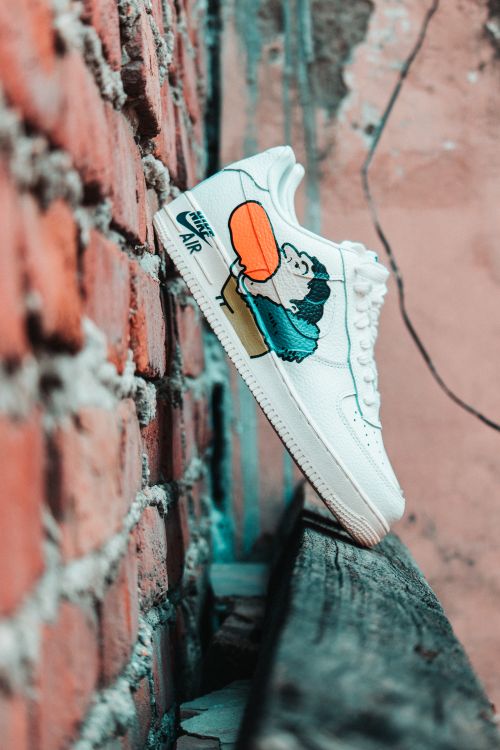
Golden Goose casual footwear are made from genuine Italian material, and this is something no golden goose copy manufacturer has managed to fully replicate on a budget. The moment you hold an real example, your nose tells you the story: real upper material has a rich, earthy, slightly sweet smell that’s unmistakable and deeply satisfying. Counterfeit shoe pairs, by contrast, often smell like chemicals, plastic, or synthetic adhesives — a sharp, artificial odor that dissipates slowly and never truly smells like construction. Run your fingertips across the material surface of an legitimate pair and you’ll feel natural grain variations, subtle pebbling, and a slight warmth that synthetic construction inputs simply can’t match. Golden goose knockoffs typically use PU leather (polyurethane) that feels smooth, slightly cold, and uniformly consistent — none of the natural variation you’d expect from genuine hide. The designed distressing on authentic sneaker pairs also seems separate: legitimate scuffs, paint splatters, and worn edges are applied by hand in Italy, giving each sneaker a truly unique character, while imitation distressing often seems mechanical, repetitive, and oddly symmetrical.
Checking the Material Edges and Stitching
Flip the sneaker over and examine the edges where the leather meets the shoe bottom and other panels — this is where construction quality becomes very apparent. Legitimate Golden Goose shoe pairs have hand-finished grain leather edges that are burnished, dyed, and sealed to prevent fraying, creating clean, planned lines throughout the shoe. On imitation golden goose trainers, these edges are often raw, unfinished, or sealed with a low-quality coating that starts peeling within days. The seams throughout an authentic example is uniformly spaced, tight, and consistent in color — you can count the stitches per inch and discover them remarkably regular. Lookalike sets frequently show uneven stitch spacing, color mismatches between thread and upper material, and loose ends that weren’t properly trimmed. These construction small cues matter not just for aesthetics but for longevity: legitimate Golden Goose craftsmanship is designed to last years, while most golden goose lookalikes begin showing structural failures within weeks of regular put on.
Insole Fine points: The Unsung Authenticity review Hero
Most people examine the outside of the pair and stop there — but the insole is actually one of the easiest places to catch a imitation. Genuine Golden Goose insoles carry the brand’s full name — “Golden Goose Deluxe Brand” — printed in a very specific font with precise kerning and letter spacing. Dupe golden goose sneakers almost always get the typography wrong: the font weight may be slightly bolder or lighter, the spacing between letters may be inconsistent, or the text may appear blurry when examined closely. On genuine examples, the insole printing is crisp and permanent — it won’t rub off easily with a damp cloth. The insole material itself also differs: legitimate sets use a padded, slightly cushioned insole that has a premium feel underfoot, while imitations use thin, flat insoles that provide no verified support. Aesthetic also for the pair size markings on the insole: genuine sneaker pairs show the size in both EU and US formats with clean, legible text, whereas counterfeit versions often have smudged, incorrect, or completely missing size information.
What the Insole Stamp Should Appearance Like
The insole stamp on an legitimate Golden Goose shoe follows a very consistent format that has remained largely unchanged across collections. You should see “GOLDEN GOOSE” in capital letters, followed by “DELUXE BRAND” on a second line, all in a clean sans-serif or slightly stylized text style that feels confident and premium. Many fake golden goose pairs abbreviate this to just “GOLDEN GOOSE” or add extra text that doesn’t appear on real shoe pairs. The ink color of the stamp matters too — legitimate sets use deep black ink that contrasts sharply against the cream or tan insole background. If the ink appears gray, faded, or brownish rather than true black, that’s a significant warning sign. Cross-reference any insole markings you see against verified authentic photos on SneakerNews.com or other reputable sneaker authenticity review resources to ensure you’re comparing against genuinely verified pairs.
Retail box and Packaging: Authenticity Starts Before You Open the Trainer
Authentic Golden Goose shoes come in a distinctive orange box with consistent branding, quality cardboard, and specific interior tissue paper and accessories. The packaging typeface, logo placement, and overall construction finish all signal whether you’re dealing with an authentic purchase. Golden goose fakes frequently come in boxes that visual effect close at a glance but reveal themselves through subtle flaws: the orange color may be slightly wrong (too bright, too dull, or more yellow-toned), the cardboard may feel flimsy or lightweight, and the interior tissue paper is often missing or replaced with a cheap substitute. Verify the text on the outer package for typos, lettering inconsistencies, or missing information — real boxes include the design name, colorway code, sneaker size, and country of manufacture (Italy). The barcode on an verified retail box should be scannable and match the product information printed on the marking. If the outer package arrived without any tissue paper, without a dust bag, or without the brand’s standard accessories, treat that as a serious problem flag indicating golden goose dupes rather than the genuine article.
Serial Number Verification
Every genuine Golden Goose low-top shoe carries a serial number that can be used to verify authenticity through the brand’s official channels. This serial number is typically found on a small tag inside the trainer, attached to the insole or the tongue area, and should correspond to the product information on the outer package printed label. Counterfeit golden goose trainers either lack serial numbers entirely, carry numbers in the wrong format, or display numbers that have been copied from a genuine example and therefore appear duplicated across multiple counterfeit units. If you’re purchasing secondhand, you can contact Golden Goose directly or use their official website to verify the serial number’s legitimacy. Legit check platforms like those referenced on Fashionphile.com also provide professional authenticity review services for premium goods including low-top shoes. In the 2026 low-top shoe sneaker market, some of the brand’s newer releases have begun incorporating digital legit check chips or QR codes that link to verifiable product records — a feature that counterfeit manufacturers have not yet been able to replicate reliably.
Quick-Reference Expert screening Checklist
| Feature | Authentic Golden Goose | Knockoff Golden Goose |
|---|---|---|
| Star patch needlework | Clean, consistent, flush | Uneven, puckered, slightly off-shape |
| Grain leather smell | Rich, earthy, natural | Chemical, plastic, artificial |
| Insole lettering | Crisp, precisely spaced | Blurry, wrong weight or kerning |
| Outer package quality | Sturdy orange retail box, correct color | Flimsy, wrong shade of orange |
| Distressing | Unique, manually detailed, irregular | Mechanical, repetitive, symmetrical |
| Serial number | Present, scannable, unique | Missing, wrong format, or duplicated |
| Hide edges | Burnished, sealed, clean | Raw, peeling, unfinished |
Final Thoughts: Trust Your Instincts
After going through all these checkpoints, the most essential legit check tool you have is your gut feeling. When something feels off about a example of Golden Goose casual footwear — even if you can’t immediately identify what — trust that instinct and investigate further. The combination of checking the side star, upper material craftsmanship, insole small cues, packaging, and serial number gives you a comprehensive picture of whether you’re holding the genuine thing or a well-made golden goose knockoff. Retail figures below $200 for a brand-new pair should always trigger immediate suspicion, since legitimate Golden Goose sneakers retail between $400 and $700+ depending on the silhouette and season. Remember that golden goose inspired options and replicas are becoming increasingly sophisticated in 2026, meaning the authenticity review process requires more careful attention than it did even a couple of years ago. When in doubt, walk away from the deal, consult a professional resale reviewer, or purchase only from Golden Goose’s official website and authorized retailers where your authenticity is guaranteed from the start.
